“Come listen to my story,” the song starts. “I’ll tell you no lies.”
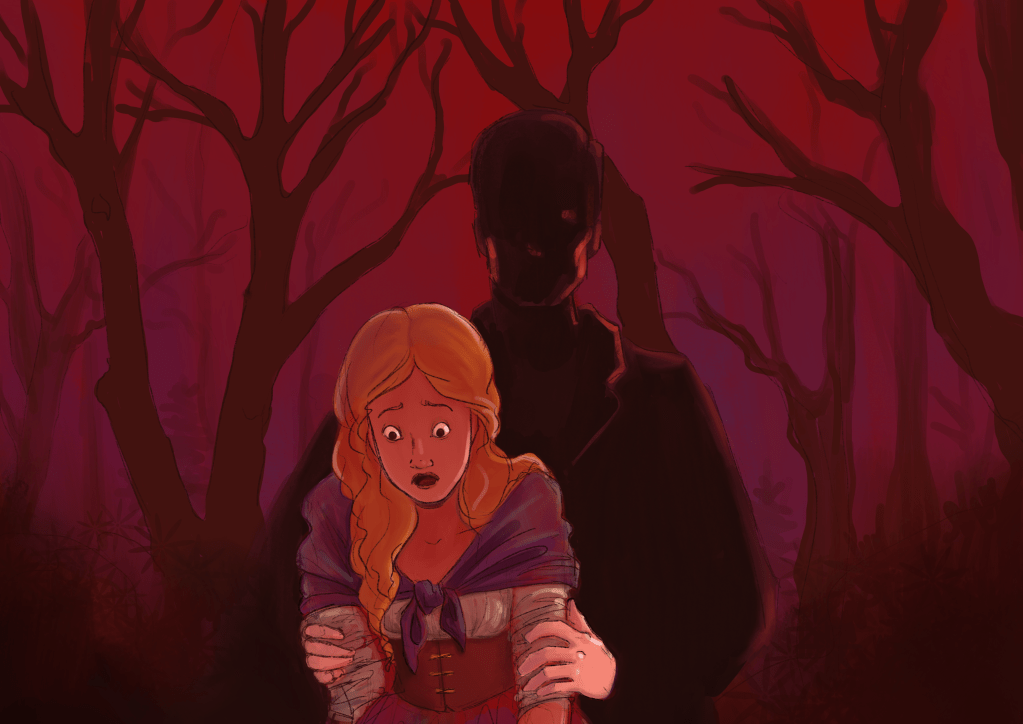
The scene unfolds: a beautiful young woman steals away into the woods at night. The branches creak overhead, the river rushes somewhere through the trees, and the figure of a man beckons her to an open grave or a watery death. In the dark, the wild birds sing.
It is, as they say, a tale as old as time; one that we have seen play itself out in countless fairy tales, ghost stories, plays, true crime podcast, and — yes — ballads. You may have heard the term “murder ballad” before. But what does it mean? As Madison Ava Helm wrote in the introduction to her thesis on the subject: “The ballad is a tricky minx to categorize.”1 Bear with me, and we’ll do our best.
Horror is an ouroboros. It remains an unresolved and unresolvable aspect of the form, whether horror in media becomes the originator of what frightens us, or if we are already frightened of something to which horror gives a name, a locus. Like science fiction, the best horror is both rooted in timeliness, responding to the specific cultural milieu in which it arises, and unbound by temporal limitations. Perhaps that’s part of what compels some of us about horror, its protean, slippery tendency to elude our ability to control it; perhaps that resistance to control is exactly what repels others.
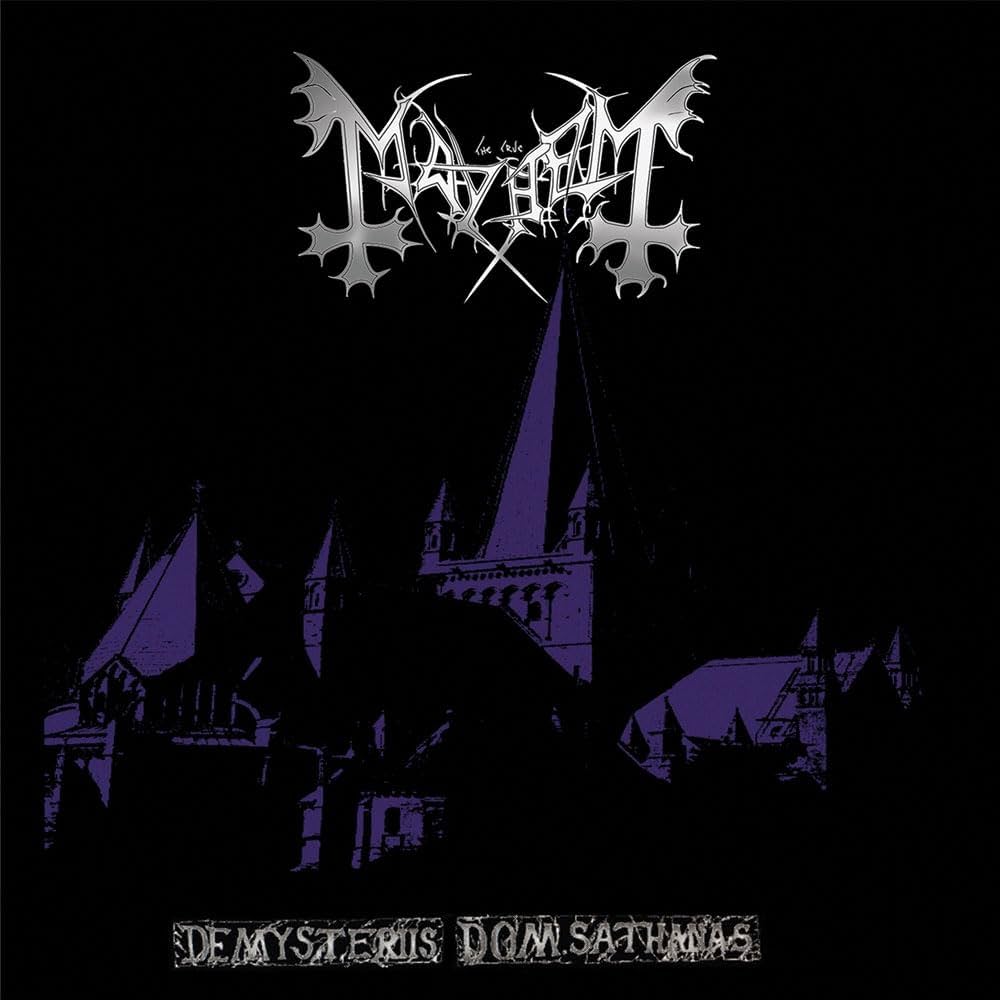
Thirty years ago, Norwegian black metal band Mayhem released, finally and half-posthumously, De Mysteriis Dom. Sathanas (DMDS, as it’s widely and mercifully abbreviated), and the album sits in that ambiguous territory so much great horror does, swallowing its own tail, the originating site of unease and a consequence of it. And, like many other great works of horror, its behind-the-scenes notoriety has further muddied the source of its impact. Would we find Poltergeist as spooky as we do if we didn’t know how much untimely death followed those involved in making it, if we didn’t know those bodies in the pool were real1? Similarly, would DMDS feel as unnerving if we didn’t know how much death preceded its release? The legendary, ugly shadow of violence can obscure the sheer unholy excellence of this album, its continued power to unsettle, and its complexity; the tabloid-frenzy luridness of the black metal scene in Scandinavia in the early 1990s can too easily become caricature, rendering DMDS a historical curiosity rather than an ongoing source of inspiration, relevance, and real horror.
 the shadowes are icumen in